Your Leftover Halloween Pumpkins Might Seem Like a Treat for Wildlife—Here’s Why You Should Think Twice

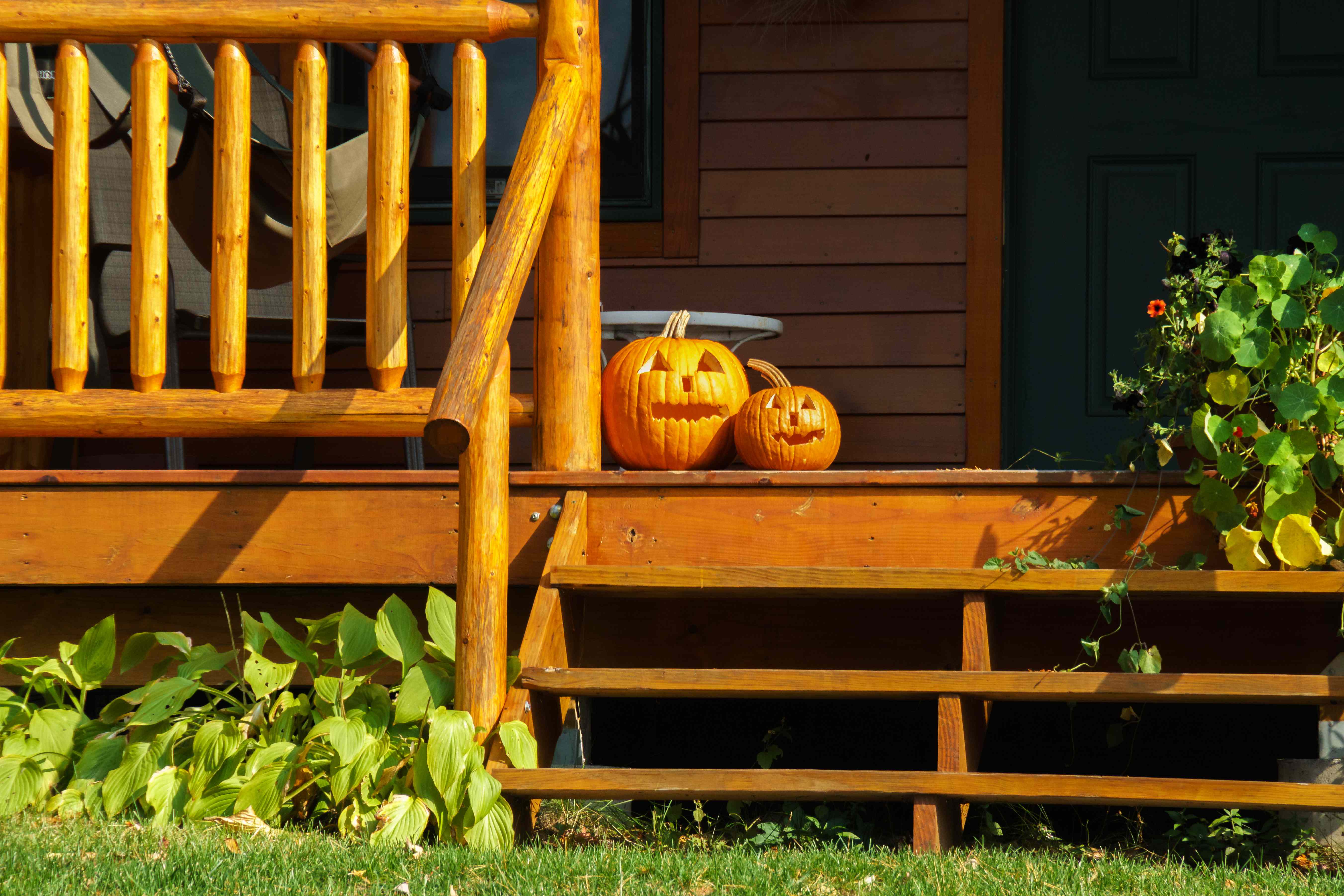
Offer only fresh, undecorated pumpkin pieces to wildlife after Halloween.
Limit wildlife treats to one or two pumpkins to prevent mammals’ reliance feeding.
Composting, donating to an animal sanctuary, or saving plain seeds for birds are other great ways to recycle a pumpkin.
Much like squirrels, birds, and deer like to gnaw on vegetables in your garden, they also like to eat pumpkins—everything but the stem.
Once Halloween is done or your jack-o-lantern’s face starts sagging, is it okay to feed pumpkins to deer, birds, and other wild animals? Here’s what you .
Don’t Feed Rotted or Painted Pumpkins
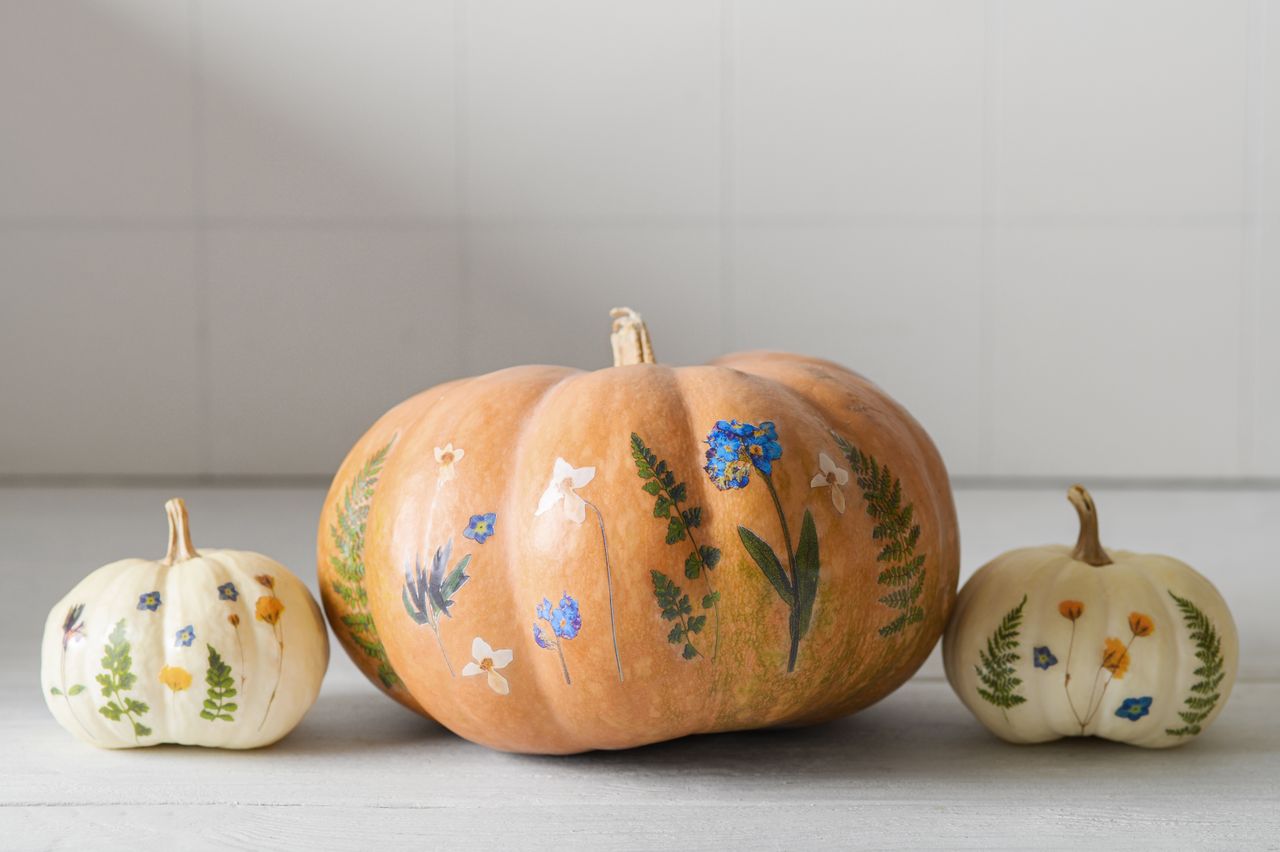
It’s okay for wildlife to eat carved pumpkins, but do not feed wildlife anything with paint, glitter, or glue on it.
If you do want to paint a pumpkin for your Halloween decor, keep it inside and away from pets and wildlife or use non-toxic, natural paints.
It is important to not feed animals rotting pumpkins due to risk of illness or disease transmission, according to the Texas Farm Bureau. Those pumpkins are better off for a compost pile.
Feed in Moderation
If you have one or two extra pumpkins and want to feed them to nearby wildlife, it’s okay to do so once a year around Halloween, according to the National Wildlife Federation (NWF). If you have dozens of pumpkins lining your porch steps, don’t use them all for feeding; limit to one or two pumpkins.
Cut pumpkins up into small pieces to scatter in your yard for squirrels, foxes, deer, and more—but don’t get into a regular habit of putting food out for mammals. This can cause them to develop dependency on human feeding.
Don’t Attract Unwanted Guests
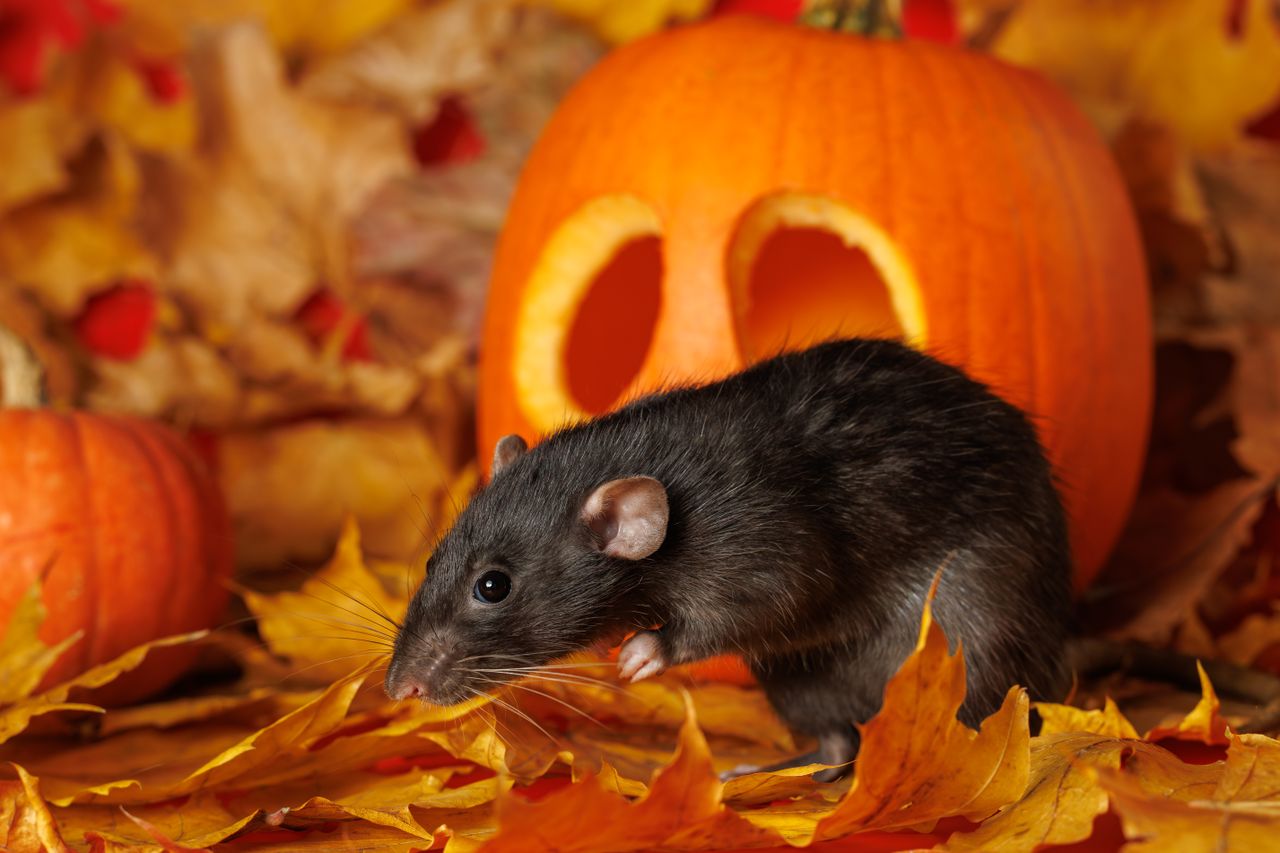
If leaving pumpkins out for wildlife in your yard will beckon bears or attract mice or rats, it’s best to skip. Try other methods of giving your pumpkins back to nature instead.
Donate Your Pumpkins
Animal sanctuaries, zoos, and farms sometimes take pumpkin donations to feed their animals. Check to see if there are donation options near you.
If you don’t compost at home, check if there’s a pumpkin composting collection or drop-off point in your local area.
Recycle Other Parts
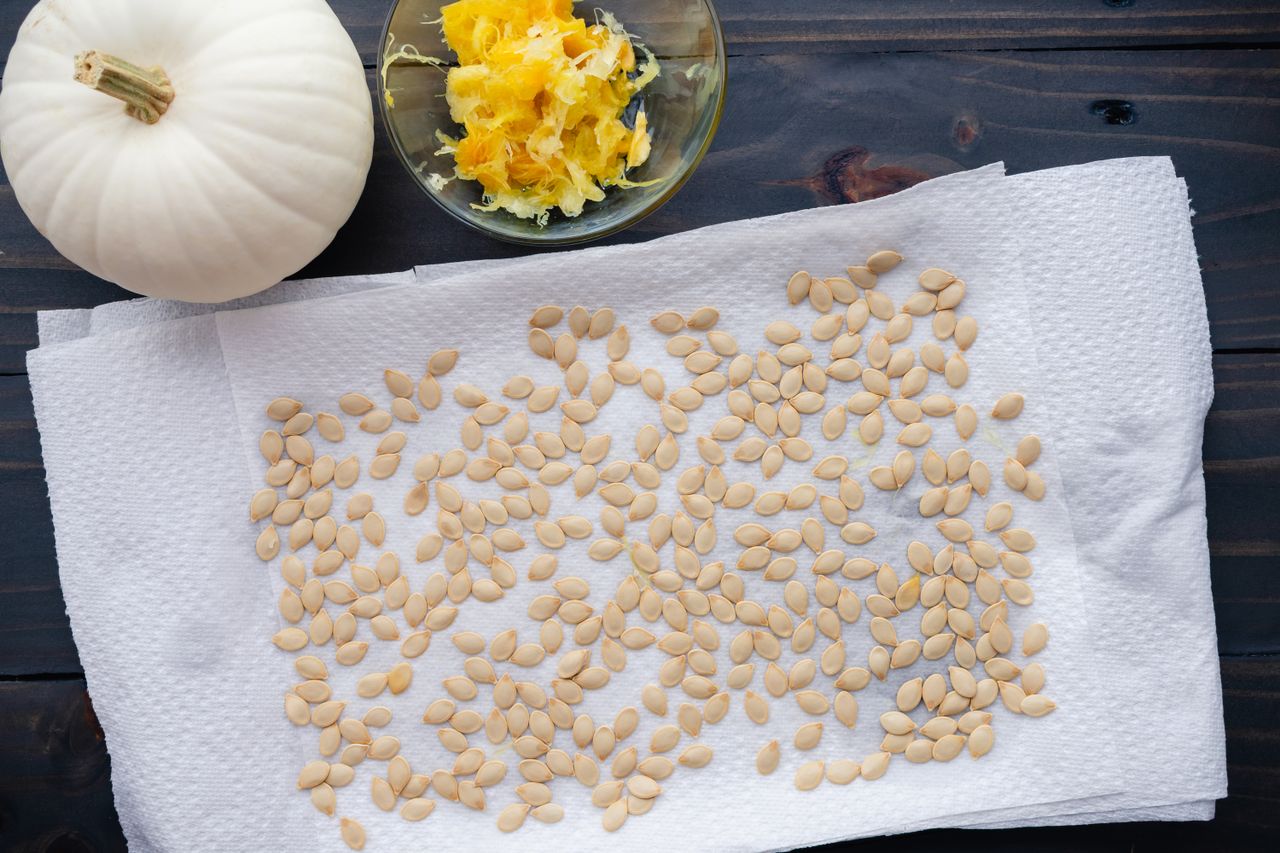
Remember that recycling your pumpkins doesn’t have to mean that the wildlife eats the fleshy orange stuff directly. You can scoop out pumpkin seeds and use them as birdseed. If you go this route, do not salt or season them in any way.
Two tips from the NWF: First, if you’re going to mix them with store-bought seed, dry the pumpkin seeds in the oven before adding them to your feeder—moisture can cause the mix to get moldy. Second, make sure pumpkin seeds can actually fit through the holes of any bird feeder you have.
on The Spruce
Source: Nature



0 Comments